
WELCOME BONUS 300%
UP TO €2000 + 100
FREE SPINS
UP TO €2000 + 100
FREE SPINS
Home → Games
Casino games at Spinit Casino
En Prison on Zero Gives Second Chance
Roulette French with La Partage offers a 98.65% return to player rate against a 1.35% house edge, which is significantly better than standard European variants that retain the full stake on zero. This rule applies only to even money bets like Red or Black, ensuring that a loss on zero returns fifty percent of the wager immediately rather than forfeiting it entirely. Consequently, players face lower volatility and extended bankroll longevity when betting on these specific outside options during high-variance sessions. The mechanic effectively halves the penalty for landing on the green pocket compared to games lacking this protection.
The En Prison rule functions identically to La Partage by reducing the effective house advantage to 1.35% for even money wagers, creating a symmetrical benefit for both red and black bettors. Unlike La Partage which refunds half instantly, En Prison holds the chip for the next spin, though the mathematical expectation remains identical for the player over time. This distinction matters less for short-term results but influences strategic choices regarding risk management and capital preservation during extended play periods. Players seeking minimal variance should prioritize tables offering this specific constraint on their most frequent betting patterns.
Standard roulette variants without these protections typically maintain a higher house edge, forcing players to absorb the full impact of every zero hit on their total balance. By contrast, the French variant mitigates losses through institutional rules that favor long-term sustainability rather than short-term speculative gains. This structural advantage allows gamblers to endure longer playing sessions with smaller initial deposits while maintaining similar expected value outcomes across thousands of spins. The difference in retention rates directly impacts the cost of entertainment per hour spent at the virtual table.
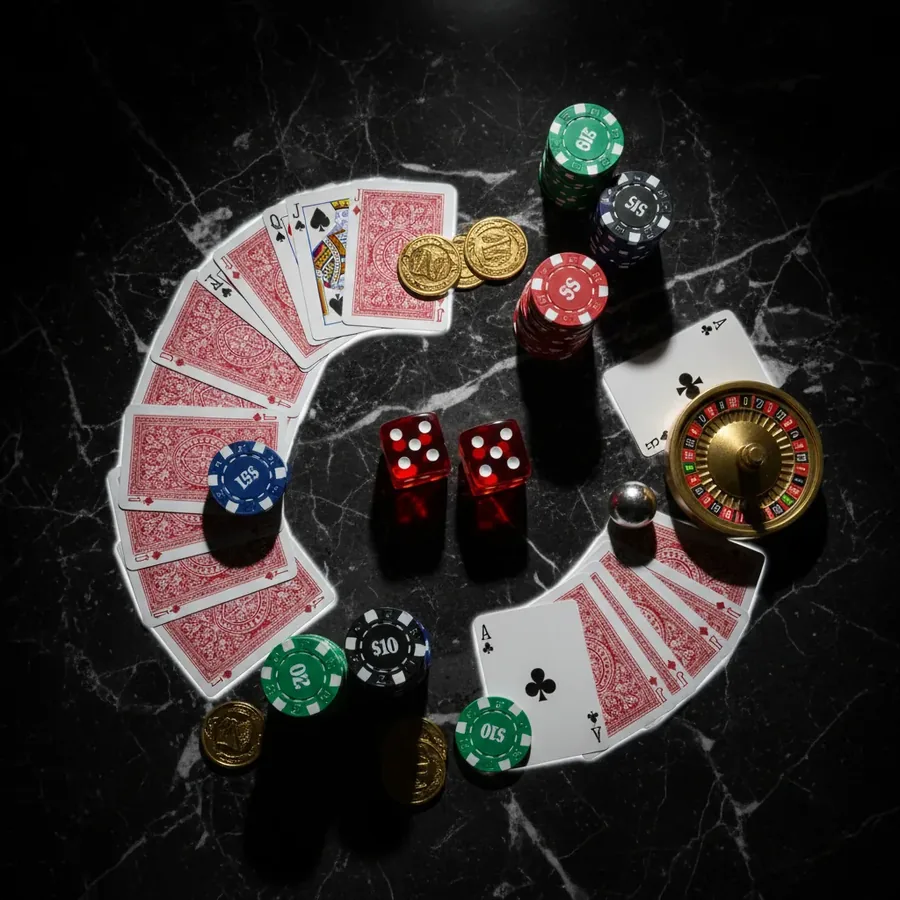
37 vs. 38 Sectors: What the Double Zero Costs
American Roulette features 38 sectors including both single and double zeros, resulting in a 5.26% house edge that is nearly four times higher than the 2.70% found on European wheels with only 37 sectors. This additional green pocket dilutes the probability of winning even-money bets from approximately 48.6% down to 47.4%, imposing a steeper tax on every dollar wagered regardless of strategy employed. The mathematical disadvantage accumulates rapidly, meaning players lose twice as much capital per unit bet compared to their counterparts playing single-zero versions. This structural flaw makes American variants statistically inferior for any serious bankroll management approach.
European Roulette utilizes a 37-sector wheel layout that eliminates the double zero pocket, thereby reducing the house advantage to 2.70% for all inside and outside bets except those with special modifiers. This lower edge translates to a theoretical return of 97.30% for inner bets where La Partage does not apply, preserving more capital over extended gaming sessions. The absence of the extra zero improves odds significantly, making it the preferred choice for disciplined players aiming to minimize long-term losses. Every spin carries a lower inherent cost, allowing for greater endurance against variance.
The presence of the double zero in American variants increases the house edge to 5.26%, which doubles the expected loss rate compared to the 2.70% edge on European wheels. This disparity means that for every 100 euros wagered, American players lose roughly 5.26 euros while European players lose only 2.70 euros on average. Such a substantial difference in retention rates fundamentally alters the profitability profile of the game, making single-zero wheels mathematically superior for sustained engagement. Gamblers ignoring this statistic expose themselves to unnecessarily high financial risk without gaining any gameplay benefits.
Three Roulette Variants, Three House Edges Compared
French Roulette with La Partage delivers a 98.65% RTP and a mere 1.35% house edge on even money bets, representing the most favorable conditions available in online casinos. This exceptional value arises because the rule refunds half the stake on zero, effectively halving the standard European disadvantage for red/black or odd/even wagers. Players benefiting from this structure enjoy significantly improved win probabilities and reduced volatility compared to other regional variants. The mathematical advantage ensures that long-term erosion of the bankroll occurs at the slowest possible rate among mainstream roulette types.
European Roulette maintains a consistent 2.70% house edge across all bet types since it lacks the La Partage modifier, requiring players to accept full loss upon hitting zero. Inner bets like Straights pay 35:1 while Dozen bets pay 2:1, but none receive the protective refund mechanism found in French variants. This uniform disadvantage applies equally to all wagers, making strategic selection of bet size crucial for managing overall exposure. The 97.30% RTP reflects this static edge, offering moderate value but falling short of the optimal efficiency provided by French rules.
American Roulette imposes a steep 5.26% house edge due to the inclusion of the double zero pocket, drastically reducing the player's theoretical return to 94.74%. This high disadvantage persists across all bet types, including those that might otherwise offer competitive payouts in single-zero environments. The additional green sector systematically tilts the odds further against the gambler, making it the least profitable variant for sustained play. Experienced analysts consistently advise avoiding this format unless no alternative single-zero options are accessible to the player.
Craps Free Odds provide a unique exception within casino mathematics by offering a 100.00% RTP with absolutely zero house edge on the odds portion of the bet. When combined with a Pass Line wager using 3-4-5x multipliers, the overall house edge drops to just 0.37%, making it one of the fairest games in existence. This structure rewards informed betting by allowing players to increase stakes after a point is established without incurring additional casino advantage. Such opportunities are rare and highly valued by strategic gamblers seeking optimal mathematical conditions.
How Long Does a Roulette Round Take on Average?
A typical Roulette round lasts between forty-five and sixty seconds, encompassing ball release, spinning, deceleration, and chip placement before the dealer announces the result. This duration includes the mandatory waiting period for players to finalize their wagers after the previous outcome is settled, ensuring fair participation for all participants. Faster automated tables may reduce this cycle to thirty seconds, but manual croupiers generally maintain a steady pace to prevent errors. Understanding this temporal metric helps players estimate hourly action volume and potential expenditure based on their betting frequency.
Online RNG-based Roulette operates significantly faster than live dealer versions, completing a full cycle in approximately ten to fifteen seconds per spin due to instant digital resolution. This accelerated pace allows for higher transaction volumes, potentially increasing total wagers per hour if the player maintains consistent betting habits. The lack of physical ball mechanics removes natural delays, creating a more intense and rapid-fire gaming experience that demands stricter self-regulation. Players must account for this speed when calculating bankroll depletion rates to avoid excessive losses during marathon sessions.
Live Dealer Roulette introduces variable timing depending on croupier efficiency and table traffic, often extending rounds beyond sixty seconds to accommodate multiple player interactions. Physical ball trajectories and manual chip collection add unavoidable latency that digital systems cannot replicate, resulting in a more relaxed but slower-paced environment. This temporal difference affects overall session length, as fewer spins occur per hour compared to electronic equivalents. Strategic planners should factor in these duration variances when projecting total turnover requirements for bonus wagering obligations.
Sic Bo Small and Big bets operate under Atlantic City rules with a 97.22% RTP and a 2.78% house edge, making them the safest options in the game. These wagers cover sums from four to ten or eleven to seventeen, losing only on triplets which appear infrequently enough to keep the edge manageable. Payouts remain fixed at 1:1, providing predictable returns that align closely with true probability despite the slight casino advantage. This consistency makes them suitable for conservative players seeking stable outcomes in high-variance dice environments.
Baccarat commission: 5 percent on each Banker win
Baccarat Banker bets carry a 1.06% house edge despite paying only 95% of the winnings due to a standard 5% commission charged on every victorious hand. This fee reduces the gross payout from 1:1 to 0.95:1, reflecting the statistical advantage the Banker position holds over the Player option. Without this commission, the house would face negative expectancy, necessitating the adjustment to maintain profitability for the operator. Players must account for this deduction when calculating net profits, as it significantly impacts long-term returns on successful wagers.
The Player bet avoids commissions entirely but carries a slightly higher 1.24% house edge, making it marginally less favorable than the Banker option over extended play. Since no percentage is deducted from wins, the nominal payout remains exactly 1:1, simplifying profit calculations for casual observers. However, the underlying probability favors the Banker hand, meaning the commission structure ultimately preserves the casino's smallest possible advantage. Savvy gamblers recognize that accepting the fee yields better overall results than avoiding it entirely.
Tie bets offer an attractive 8:1 payout but suffer from a devastating 14.36% house edge, rendering them statistically disastrous for any rational betting strategy. Even with an enhanced 9:1 payout common in online variants, the edge remains prohibitively high at 4.84%, far exceeding both Banker and Player options. Side bets like Player Pair or Banker Pair present worse odds with edges around 10.36%, further discouraging deviation from main wagers. Disciplined players strictly avoid these traps to preserve bankroll integrity against extreme variance and inevitable ruin.
Game categories at a glance
| Category | Examples | Stakes From | Highlight |
|---|---|---|---|
| Slots | Vikings Go Berzerk, Extra Chilli Megaways, Money Train 4 | 0,10 EUR | thousands of titles |
| Table games | Roulette, Blackjack, Baccarat | 0,50 EUR | classic rules |
| Live casino | Mega Wheel, Speed Baccarat | 0,20 EUR | real dealers |
| Jackpot games | Mega Moolah, Divine Fortune, Age of the Gods | 0,20 EUR | progressive pools |
| Instant games | Aviator, Plinko, Mines | 0,10 EUR | fast rounds |
| Video poker | Jacks or Better, Deuces Wild | 0,25 EUR | strategy based |
RNG Roulette vs. Live Table: Four Clear Differences
The French Roulette with La Partage offers a 98.65% RTP, which contrasts sharply with standard European versions lacking this refund rule on even-money bets. This specific mechanic returns half the stake when the ball lands on zero for Red/Black or Odd/Even wagers, effectively lowering the house edge to just 1.35%. Consequently, players retain more capital over extended sessions compared to tables without this protective clause, making it a superior choice for bankroll management.
In contrast, inner bets in French Roulette do not qualify for La Partage, maintaining a higher 2.70% house edge similar to standard European games. Straight bets pay 35:1 while Split bets offer 17:1, but these payouts ignore the zero-refund benefit available on outside wagers. This distinction means that high-variance strategies inside the layout carry significantly more risk than conservative outside betting approaches at this specific table variant.
Live dealer tables often lack the La Partage rule entirely, defaulting to a standard 2.70% house edge on all roulette bets regardless of outcome. Without the mathematical advantage of recovering fifty percent of stakes on zero, the theoretical return drops from 98.65% to 97.30% for inner wagers. Players seeking the lowest possible house edge must specifically seek out RNG tables featuring this rule, as live streams rarely implement such favorable conditions.
6 Decks vs. 8 Decks in House Edge
Using six decks instead of eight reduces the house edge in Blackjack by approximately 0.02 percentage points, slightly improving the player's theoretical return. This minor adjustment stems from increased probability of drawing specific cards needed for optimal splits and doubles in multi-deck shoe games. The impact is subtle but measurable for strategy-perfect players who track deck penetration and composition changes throughout the hand.
Resplitting Aces improves the RTP by 0.08 percentage points, offering a better return than simply reducing the deck count from eight to six. This rule allows players to create additional hands from split aces, increasing opportunities for strong totals like twenty or twenty-one. Such liberal rules significantly offset the inherent disadvantage of playing against a dealer who hits soft seventeen.
Dealer hitting soft seventeen increases the house edge by 0.22 percentage points, a far larger penalty than the benefit gained from using fewer decks. This rule forces the dealer to draw on sixteen through eighteen total values including an ace, creating more bust opportunities but also stronger final hands. Players should prioritize games where the dealer stands on soft seventeen over those with fewer decks for better long-term value.
Dozen 2:1 Hits 12 of 37 Numbers
The Dozen bet in French Roulette pays 2:1 and covers twelve numbers out of thirty-seven total sectors on the wheel, excluding the single zero. This wager falls under outside bets, meaning it qualifies for the La Partage rule which refunds half the stake if zero appears. Consequently, the effective house edge for this specific bet drops to 1.35%, making it one of the safest options on the layout.
Inner bets like the Straight wager pay 35:1 but cover only one number, resulting in a much higher 2.70% house edge without La Partage protection. While the payout multiplier is significantly larger, the probability of winning remains extremely low at roughly 2.7% per spin. Players seeking steady growth should favor dozen bets over straight bets due to the substantial difference in theoretical retention rates.
Column bets also pay 2:1 and cover twelve numbers, mirroring the dozen bets in both payout structure and risk profile within French Roulette. These bets share the same 1.35% house edge when La Partage applies, providing identical expected value outcomes for the player. Choosing between columns and dozens depends solely on personal preference, as neither option offers a mathematical advantage over the other.
Blackjack flow: cards, decision, payout 3:2
A natural Blackjack pays 3:2 in Liberal Vegas Strip games, contributing to a low 0.28% house edge when combined with favorable rules like late surrender. This payout ratio is critical for maintaining optimal player expectations, as reduced ratios like 6:5 drastically increase the house advantage. Players must verify the payout structure before sitting down, since even perfect strategy cannot overcome poor base game mechanics.
Late Surrender reduces the house edge by 0.08 percentage points, allowing players to forfeit half their bet after the dealer checks for blackjack. This rule provides valuable insurance against weak starting hands against strong dealer upcards, preserving bankroll during inevitable losing streaks. Combining this with standing on soft seventeen and doubling after split creates one of the most player-friendly rule sets available online.
Insurance bets pay 2:1 but carry a 7.47% house edge, making them statistically unsound unless the player is counting cards with a true count above three. This side bet becomes available when the dealer shows an ace, tempting players to hedge their main wager against a potential dealer blackjack. Avoiding insurance preserves the integrity of the basic strategy and maintains the lower overall house edge associated with standard play.
Straight 35:1 Against the Chance of 1 in 37
The Straight bet in Roulette pays 35:1, reflecting the precise odds of one specific number appearing among thirty-seven possible outcomes on a single-zero wheel. This payout matches the true probability closely, yet the presence of zero ensures a 2.70% house edge on inner wagers without La Partage. Players betting straight numbers face high variance, requiring significant bankrolls to sustain periods of non-winning spins.
Split bets offer a 17:1 payout, covering two adjacent numbers and doubling the hit frequency compared to straight wagers while halving the potential return. This balance makes split betting less volatile than straight bets, appealing to players who prefer steadier win rates over massive jackpots. The house edge remains 2.70% for these inner bets, identical to straight wagers in standard European formats.
Street bets pay 11:1 and cover three numbers in a horizontal row, offering a middle ground between split and straight betting strategies. With a 2.70% house edge, these bets maintain the same theoretical loss rate per euro wagered as other inner positions. Selecting street bets allows for broader coverage of the table layout while keeping risk profiles manageable for consistent session play.
Martingale Fails After 8 Rounds at Table Limit
The Martingale progression doubles the stake after every loss to recover previous deficits, but table limits interrupt this mathematical model. A standard limit of 1,000 € stops a sequence starting at 5 € after eight consecutive losses. This hard cap prevents the player from recouping the initial bankroll through the final bet. The strategy collapses when the required wager exceeds the maximum allowed by the casino floor rules.
Blackjack Surrender reduces the house edge by approximately 0.08 percentage points for players who fold weak hands. This rule modification offers a small mathematical advantage compared to games without late surrender options available. However, the benefit is negligible against the structural barrier of betting limits during losing streaks. Players cannot rely on rule variations to overcome the exponential growth of the doubling system.
Craps Don't Pass bets provide a house edge of 1.36 percent, which is lower than many other table games. This statistical reality means the house retains more money over time than the 0.28 percent edge in liberal Blackjack. The higher variance in Craps accelerates bankroll depletion faster than the slower decay seen in low-edge card games. The probability of survival decreases rapidly regardless of the specific game variant chosen by the gambler.
Straight 35:1 Instead of 36:1: Where House Edge Originates
French Roulette pays Straight bets at 35:1 while the wheel contains 37 numbered sectors. This discrepancy creates a house edge of 2.70 percent because the payout does not match the true odds. The missing one unit per thirty-seven bets represents the average profit retained by the establishment over millions of spins. This mathematical gap exists regardless of whether La Partage applies to outside wagers or not.
Sic Bo Specific Triple bets offer payouts of 180:1 with a house edge reaching 16.20 percent. This high cost illustrates how side bets generate significantly more revenue than main game mechanics like Small or Big wagers. The 2.78 percent edge on Big bets contrasts sharply with the punitive nature of triple combinations. Players chasing large multiples face steep statistical penalties that erode their balance quickly.
Baccarat Tie bets pay 8:1 but carry a massive house edge of 14.36 percent. Even an enhanced payout of 9:1 only reduces the edge to 4.84 percent, remaining far worse than Banker bets. These unfavorable odds demonstrate why side wagers are statistically dangerous for long-term bankroll preservation. The difference between fair odds and casino payouts ensures the house maintains its advantage across all game types.
Four Blackjack Hand Decisions at a Glance
Liberal Vegas Strip Blackjack features a house edge of just 0.28 percent under optimal conditions. This low cost arises from favorable rules such as S17, DAS, Resplit, and Late Surrender. The game allows players to reduce losses significantly compared to single-deck variants with restrictive policies. Standard deviation remains low at 1.15, indicating consistent results over extended playing sessions.
Single-deck Blackjack with classic rules yields an RTP of 99.85 percent and a 0.15 percent house edge. Fewer decks inherently lower the advantage held by the dealer compared to eight-deck shoes. However, casinos often compensate for this benefit by reducing blackjack payouts from 3:2 to 6:5. This change drastically increases the cost of play despite the theoretical improvement in game mathematics.
Insurance bets in six-to-eight deck games carry a house edge of 7.47 percent. This separate wager becomes profitable only if the player counts cards and holds a true count above plus three. Base strategy dictates always rejecting insurance because the expected value is negative for the majority of situations. The payout of 2:1 does not justify the risk for average players lacking counting skills.
Splitting Aces allows up to four hands but typically restricts each new hand to receive only one additional card. This limitation reduces the potential upside of the split compared to splitting other pairs like eights. Double After Split (DAS) improves the overall RTP by 0.14 percentage points by offering more flexibility. Hit Soft 17 (H17) negatively impacts the game by adding 0.22 percent to the house advantage.
Pass Line in Craps: Process in Four Steps
The first step involves placing a Pass Line bet before the shooter rolls the initial come-out throw. Winning occurs immediately if the dice total seven or eleven, while two, three, or twelve result in a loss. Any other number establishes the point, transitioning the game into the second phase of resolution. This initial wager carries a house edge of 1.36 percent based on long-term statistical averages.
The second step requires the shooter to roll the established point number again before rolling a seven. If the point is repeated, the Pass Line bet wins at even money. Conversely, rolling a seven forces the bettor to lose the entire original stake. This phase continues until either outcome occurs, creating a binary win-loss scenario for the participant.
The third step introduces Free Odds bets, which carry a zero percent house edge on the wagered amount. Players can multiply their Pass Line bet by factors of three, four, or five times depending on the point. These odds pay at true mathematical probabilities, such as 2:1 for points four or ten. Combining odds with the base bet lowers the overall house edge to approximately 0.37 percent.
The fourth step concludes the round once the point is made or a seven appears. Winnings from both the Pass Line and Free Odds are collected by the player. The cycle then resets for the next shooter to begin a new series of throws. This continuous process repeats throughout the session, accumulating results based on the fixed statistical edges.
Submit documents no older than three months
Spinit Casino requires identity verification through KYC procedures before processing any withdrawal requests. This security measure protects accounts from fraud and ensures compliance with regulatory standards. Players must upload official identification documents to prove their age and legal residency status. The platform enforces strict deadlines to maintain the integrity of the financial transaction pipeline.
Withdrawal eligibility depends on meeting all bonus terms, including the 300% welcome bonus up to 2,000 €. This offer includes 100 free spins and requires fulfilling specific wagering requirements before cashing out. Table games contribute only 10 percent toward the turnover target, while slots count for 100 percent. Players should prioritize slot gameplay to clear the bonus efficiently and access their funds.
Verification documents must be submitted within three months of issuance to remain valid for review. Expired papers will cause delays in processing payments and may trigger additional security checks. Providing recent evidence accelerates the approval timeline and reduces administrative friction during withdrawals. Ensuring document currency is essential for maintaining uninterrupted access to account balances and winnings.
Contact
Live - online chat
Banking









Providers












Spinit Casino 2026